
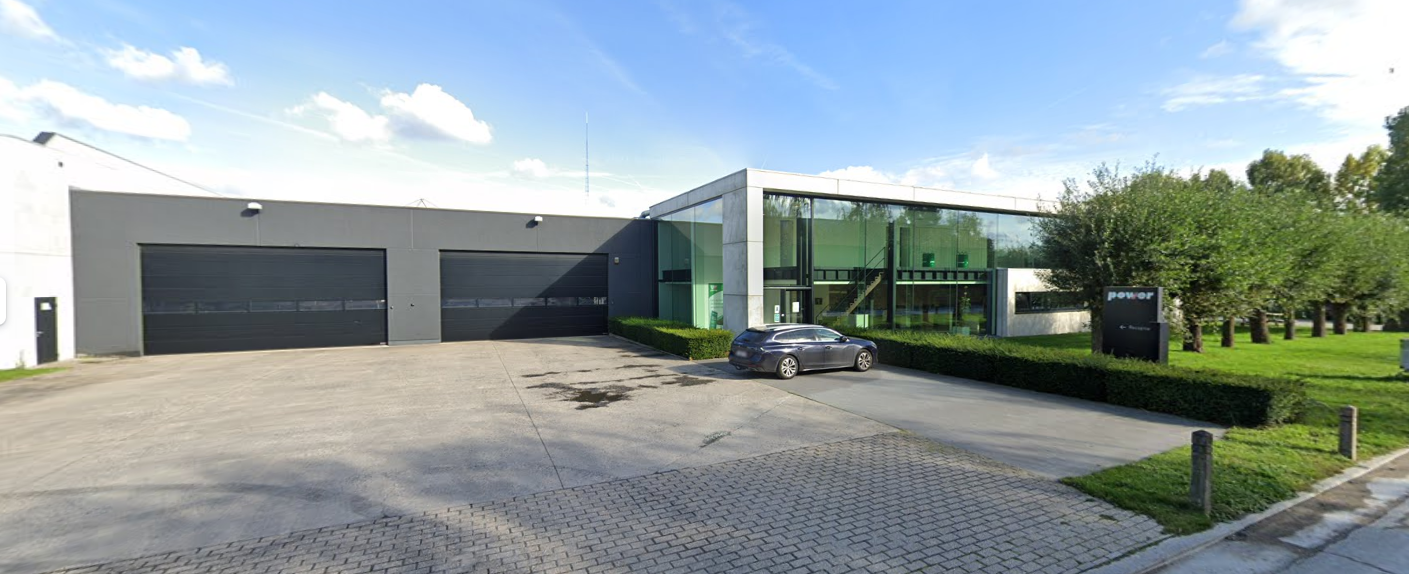
Lestco, based in Fleurus, reached out to Senior Companion Laurens Vermeulen through the March website with a clear ambition: to find an industrial site that aligned more effectively with their operations and location. The company had initially identified a first potential site on its own. That opportunity looked highly promising, until the port authority exercised its pre-emption right and the transaction came to an abrupt halt. Once Laurens became involved in the search, he identified a second high-quality opportunity in Bruges and successfully negotiated a sale agreement there. But once again, the port exercised its pre-emption right. The search had to restart for a second time, although this also confirmed that the selected sites were fundamentally strong matches. Contact with Lestco briefly became less frequent, but Laurens continued to actively monitor their needs.
When a site became available in Wevelgem, geographically outside the initial search zone, Laurens immediately recognised its strategic potential for Lestco. The property on Vlamingstraat comprises approximately 24,094 m², including a move-in-ready industrial building of 4,000 m² and 600 m² of office space. Two loading docks, strong technical condition and significant expansion possibilities made it an especially compelling opportunity for a growing company. March encouraged Lestco to visit the site, even though Wevelgem had not been part of the original geographic focus. That visit created immediate momentum. The combination of infrastructure, accessibility and future development potential reinforced confidence. This was not an alternative, but a superior answer to the initial brief.
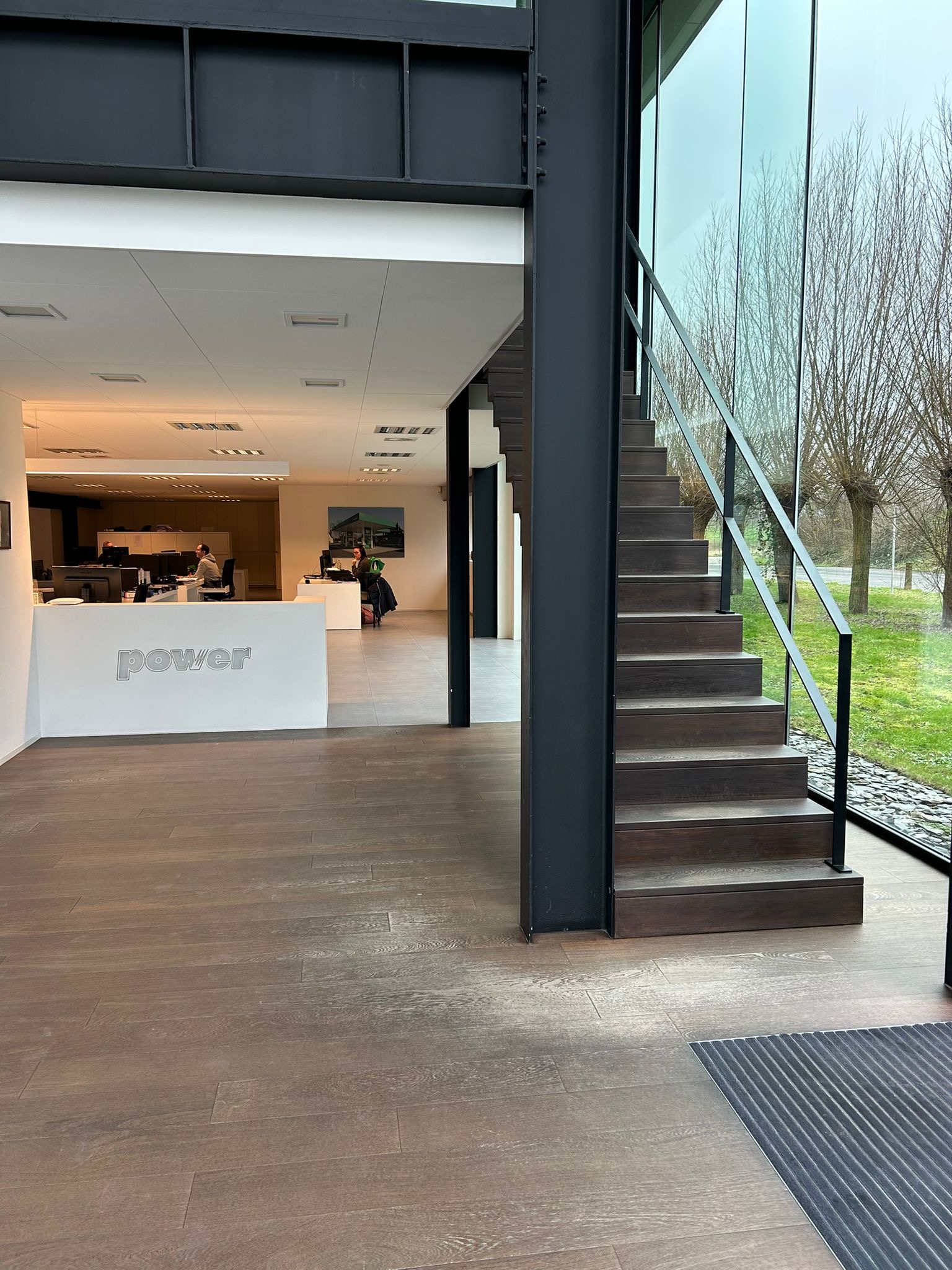
A deal was reached relatively quickly, and a sales agreement was drawn up. This site was also subject to two separate pre-emption rights, so once again it became a matter of waiting to see whether the authorities would exercise them. This time, however, they chose not to, allowing the transaction to proceed and the deed to be executed successfully. With the acquisition of Vlamingstraat 33-35, Lestco now has a robust, scalable industrial location to support its next phase of growth.
“Twice a compromise was interrupted by a pre-emption right, but the properties were strong matches each time. When Wevelgem surfaced, I immediately felt it was the right one. And it proved to be exactly that.” Laurens Vermeulen, Senior Companion
In Flanders, public authorities can, under specific conditions, exercise a statutory pre-emption right when a property transaction occurs. This enables them to purchase the asset under the same terms as those agreed between buyer and seller. The framework is established in the Decree on Land and Real Estate Policy and supported by several thematic regulations. Depending on location and zoning, various entities may hold a pre-emption right. The most common include:
• The Flemish government and its agencies, such as the Housing Agency, the Agency for Nature and Forests and De Vlaamse Waterweg.
• Provinces, cities and municipalities when a parcel falls within a designated pre-emption area.
• Intermunicipal organisations and autonomous municipal companies with a defined policy objective.
• Port authorities such as Port of Antwerp-Bruges or regional harbour boards when the property lies within their economic or logistical sphere of influence.
• Social housing actors such as social housing companies, residential associations and VMSW in areas covered by social pre-emption rights.
• Public utility companies in exceptional cases where utility infrastructure is protected or developed.
The procedure itself is tightly regulated. After the signing of a sales agreement, the notary must submit the transaction to the Flemish Real Estate Information Platform (VIP). This system determines which entities have a potential pre-emption right and automatically notifies all parties entitled to exercise it. The notary must complete this step within 10 days of signing the agreement.
The eligible authorities then have a fixed decision period:
• 30 days to confirm whether they will exercise the pre-emption right.
• If they do not respond within this period, the right lapses automatically.
Only after this period has expired, or after all entitled parties have explicitly waived their rights, does the sale become definitive and can the deed be executed.


